Dull hair rarely comes from bad luck. It usually comes from a damaged cuticle layer that no longer reflects light the way healthy hair does. Natural Hair Oils for Shine work by smoothing that cuticle, sealing in moisture, and giving strands the smooth surface they need to bounce light back rather than scatter it.
Most people reach for a random bottle off a shelf and hope for the best, without checking whether it actually suits their hair type. That trial and error wastes money and often leaves hair feeling heavier rather than shinier. A little knowledge about how oils interact with the hair shaft goes a long way. Getting the basics right from the start saves both time and frustration.
This guide breaks down which oils genuinely deliver shine, how they work on a strand level, and how to use them so you get results instead of greasy roots. You will also see which mistakes quietly cancel out all that effort, so you are not left wondering why the shine fades within a day. By the end, picking the right oil for your hair type should feel simple rather than overwhelming.
What Are Natural Hair Oils for Shine and How Do They Work?

Hair shine is a purely physical phenomenon. Light hits the hair shaft and either reflects evenly (shiny) or scatters in different directions because the cuticle is rough or lifted (dull).
Natural oils for shiny hair work in two ways:
-
They coat the outer cuticle with a thin, flexible film that smooths raised scales and creates a more even reflective surface.
-
They reduce moisture loss from the hair shaft, which keeps strands flexible instead of brittle, since brittle hair fractures light rather than reflecting it.
Unlike silicone-based serums, which sit on top of the hair and can build up over time, plant oils typically contain fatty acids that partially penetrate the cortex. This provides longer-lasting texture improvement rather than a temporary coating that washes out after one shampoo.
Why Does Hair Lose Its Natural Shine?
Before choosing an oil, it helps to understand what strips shine in the first place. Several everyday factors damage the cuticle layer and flatten reflectivity:
-
Heat styling from straighteners, curling irons, and high-heat blow dryers
-
Frequent chemical treatments such as colouring, bleaching, or relaxing
-
Hard water mineral buildup that coats the shaft and dulls colour
-
Over-washing with sulphate-heavy shampoos that strip natural sebum
-
UV exposure, which oxidises the protein structure of hair
-
Friction from rough towels, brushing when wet, or tight hairstyles
Each of these roughens the cuticle at a microscopic level. Oils cannot reverse structural damage, but they can smooth the surface enough to noticeably restore shine.
Which Are the Best Natural Hair Oils for Shine?
Not every oil performs the same job. Some are lightweight and ideal for fine hair, while others are richer and better suited to thick or coarse textures. Below are the top picks among natural oils for shiny hair, based on their fatty acid profile and how well they sit on the hair shaft.
Argan Oil
Argan oil is rich in oleic and linoleic acid, along with vitamin E. It absorbs quickly, leaves minimal residue, and works especially well on fine to medium textures because it smooths the cuticle without adding heaviness..
Jojoba Oil
Jojoba is technically a liquid wax, and its molecular structure closely resembles the sebum your scalp naturally produces. This makes it excellent for regulating oil production while still adding a glassy finish to strands.
Marula Oil
Marula oil contains an unusually high concentration of oleic acid, often above 70 percent. It penetrates faster than heavier oils and works well as a finishing product for a glossy, non-greasy shine.
Coconut Oil
Coconut oil is one of the few oils proven in published research to reduce protein loss from the hair shaft when used as a pre-wash treatment. It works best on thicker, coarser hair types, since finer hair can feel weighed down.
Rosemary Oil
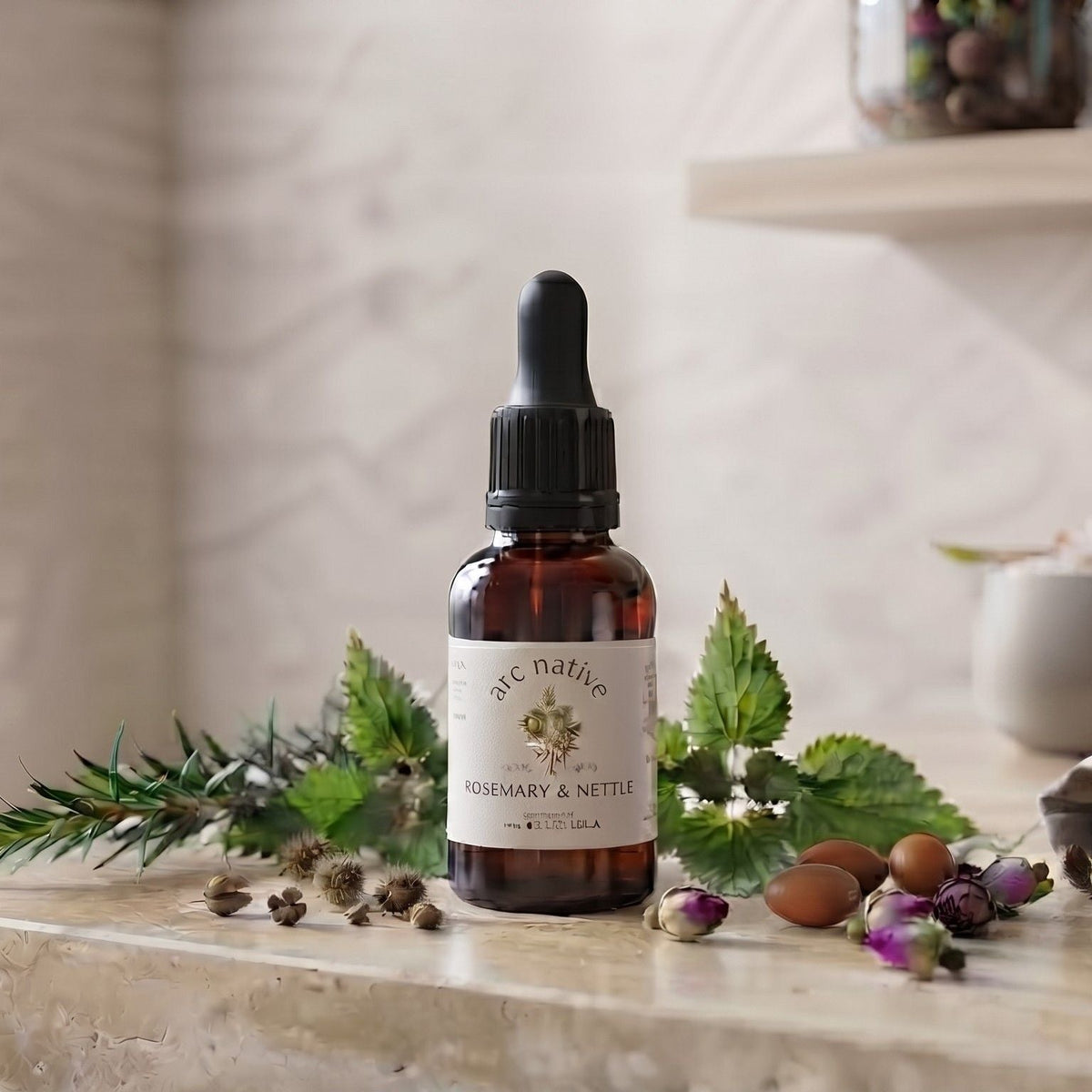
Rosemary is better known for supporting scalp circulation and hair growth. Still, when diluted in a carrier oil, it also improves shine indirectly by strengthening the hair over time and reducing breakage that causes a dull, frizzy appearance.
Grapeseed Oil
Grapeseed oil is one of the lightest options available, making it a strong choice for oily scalps or fine hair that still needs shine without added weight.
How Do You Use Hair Oil for Shine the Right Way?
Knowing how to use hair oil for shine matters just as much as choosing the right one. Applying oil incorrectly is the main reason people end up with flat, greasy roots instead of glossy ends.
How Much Oil Should You Use?
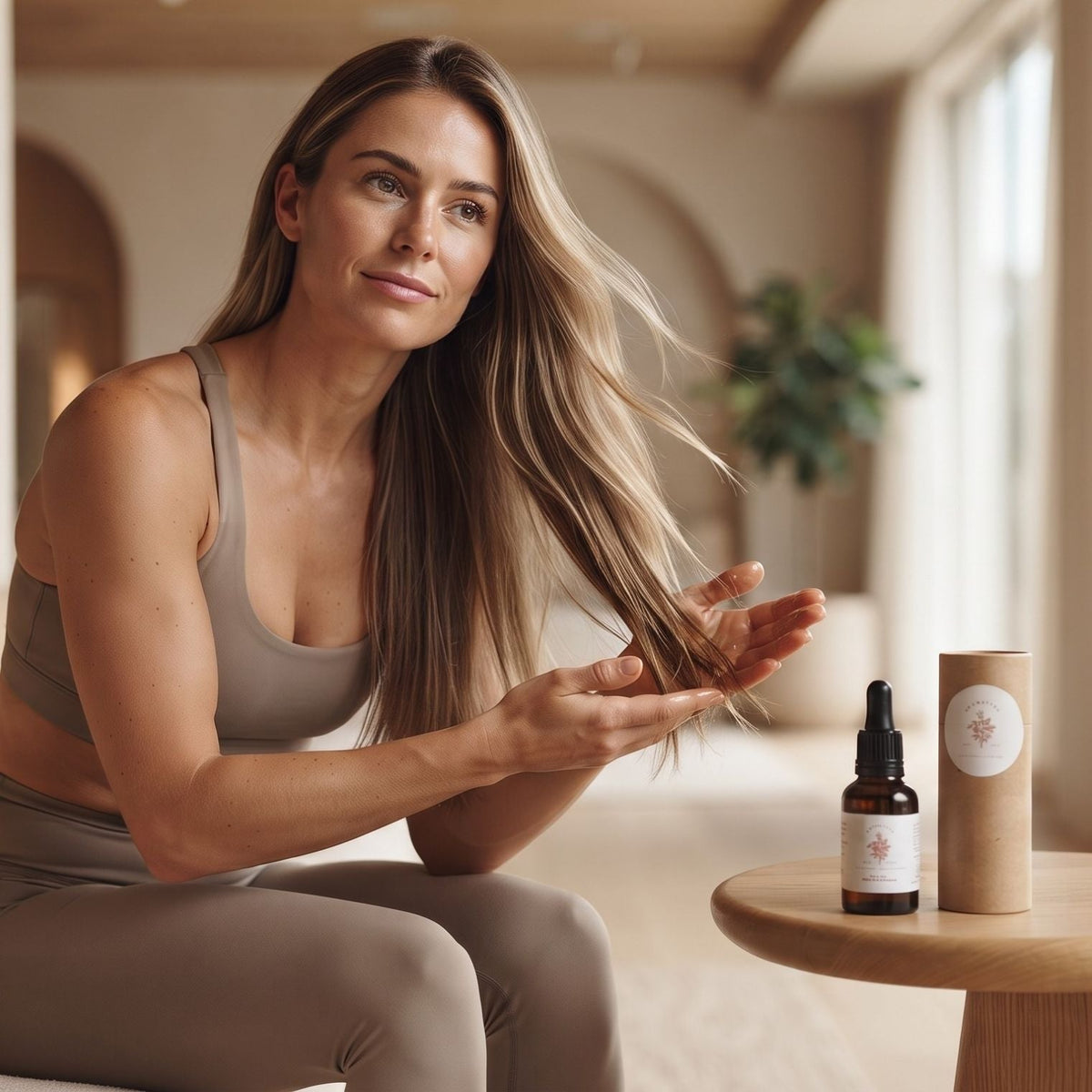
Start small. A few drops, roughly the size of a coin, is usually enough for shoulder-length hair. Warm the oil between your palms before applying, since heat helps it spread more evenly across the strands.
When Should You Apply Hair Oil for Best Results?
Timing changes the outcome significantly:
-
On damp hair after washing, oil helps lock in moisture before it evaporates, which is ideal for daily shine maintenance.
-
On dry hair as a finishing step, oil smooths flyaways and adds a glossy finish right before you leave the house.
-
As an overnight pre-wash treatment, oil has time to penetrate the shaft, which works best for repairing damaged or chemically treated hair.
Applying the Oil Step by Step
-
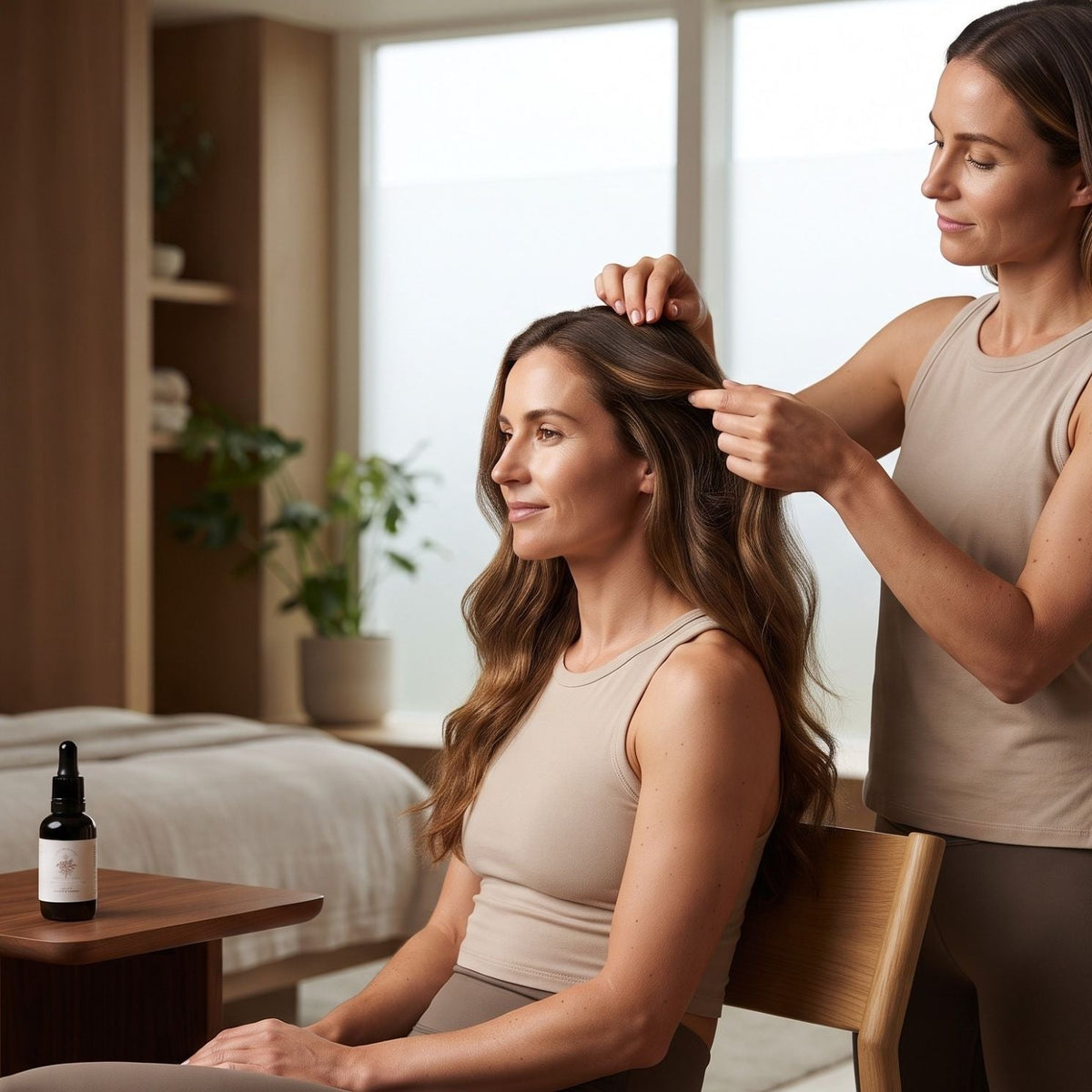
Focus application from mid-length to ends, where hair is oldest and most porous.
-
Avoid the scalp and roots unless you are specifically treating dryness there, since oil at the roots accelerates greasiness.
-
Comb through with a wide-tooth comb to distribute the oil evenly.
-
Leave it on for at least twenty minutes if using it as a treatment, or rinse it out after an hour for a deeper conditioning effect.
What Mistakes Reduce Shine When Using Hair Oils?

Even good oils can backfire if used incorrectly. Watch for these common errors:
-
Applying too much oil at once, which leaves hair looking greasy rather than glossy
-
Using oil on unwashed, product-heavy hair, which traps buildup instead of smoothing the cuticle
-
Skipping a patch test, particularly with oils like rosemary that are more concentrated
-
Expecting oil alone to fix heat or chemical damage without adjusting styling habits
-
Storing oils in direct sunlight, which speeds up oxidation and reduces their effectiveness
Why Choose Arc Native for Natural Hair and Self-Care Oils?
If you would rather skip the trial and error of mixing your own blends, Arc Native formulates its haircare within a wider self-care apothecary built around organic, vegan, and cruelty-free ingredients.
Every product is handcrafted in small batches in the UK, which allows for tighter quality control than mass-produced alternatives. The Personal Care Collection includes a nourishing hair growth oil designed to support both scalp health and strand condition, alongside botanical bath bombs and skincare oils that fit naturally into a broader self-care routine.
Arc Native's approach extends beyond haircare. The Recovery Collection offers high-potency magnesium balms and recovery oils for muscle and joint support after workouts, while the Mental Wellness Collection uses aromatherapy blends to support focus, energy, and emotional balance. Sustainable sourcing and premium botanical ingredients run through every collection, so hair oil sits within a wider commitment to holistic wellness rather than a standalone product.
If you want haircare that reflects the same care you put into the rest of your wellness routine, it is worth browsing what Arc Native has to offer.
Conclusion
Choosing the right Natural Hair Oils for Shine comes down to matching the oil's weight and fatty acid profile to your specific hair type, then applying it correctly so it enhances rather than weighs down your strands. Argan, jojoba, marula, coconut, rosemary, and grapeseed each bring something different to the table, and the best results usually come from testing one at a time rather than layering several at once.
Once you find the right match, consistency matters more than quantity. A small amount of the best natural hair oils for shine, used two to three times a week and applied to the mid-lengths and ends, will do far more for your hair's glow than an occasional heavy application ever could.
FAQ’s
-
What is the best natural oil for dry, damaged hair?
Coconut oil is generally considered the best option for dry or damaged hair because it reduces protein loss from the hair shaft more effectively than most other plant oils, particularly when used as a pre-wash treatment.
-
Can hair oil make my hair greasy?
Yes, if too much is applied or it is applied too close to the roots. Using a small amount focused on the mid-lengths and ends avoids this issue while still delivering shine.
-
How often should I use hair oil for shine?
Two to three times a week is typically enough for most hair types. Daily use works only with very lightweight oils such as grapeseed or argan, applied sparingly.
-
Does hair oil work on all hair types?
Yes, but the right oil depends on texture. Fine hair benefits from lightweight oils like grapeseed or argan, while thick or coarse hair generally responds better to richer oils like coconut or marula.
-
Should I apply hair oil before or after shampooing?
Both methods work depending on the goal. Applying oil before shampooing as a pre-wash treatment protects the hair shaft during washing, while applying it after shampooing on damp or dry hair locks in shine as a finishing step.
-
Can natural oils replace conditioner?
Natural oils complement conditioner rather than replace it. Conditioner detangles and adds moisture through the wash process, while oil seals that moisture in and adds a finishing shine afterward.