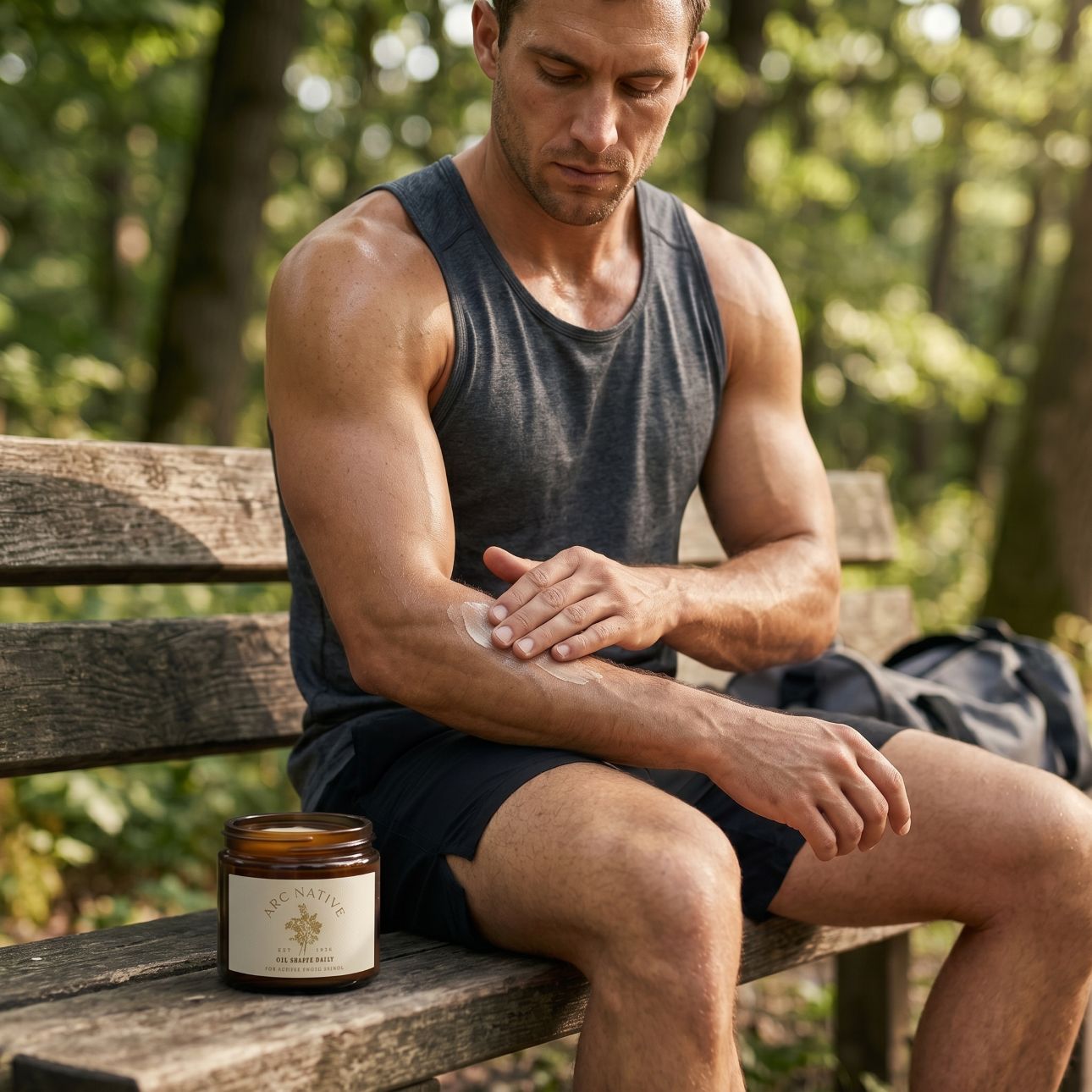
Anyone who trains regularly knows the feeling. You push hard in the gym, on the pitch, or on a long run, and the next morning your legs feel like lead. This is where a muscle recovery balm UK shoppers are increasingly turning to comes in, offering a natural way to ease that post-workout ache without reaching for tablets.
Soreness after a hard session isn't just uncomfortable; it can quietly discourage people from training consistently. Many people push through the ache for a day or two, then find themselves skipping sessions simply to avoid the stiffness. Over time, this on-and-off pattern can slow progress far more than the actual workload ever would. A simple, dependable recovery habit often makes the biggest difference in staying consistent long term.
These balms have moved from niche sports cabinets into everyday self-care routines. Whether you're a weekend runner, a strength athlete, or someone who simply spends long hours on their feet, understanding how these products work helps you choose one that actually delivers results.
What Is a Muscle Recovery Balm?

A muscle recovery balm is a topical product, usually made with a blend of oils, waxes, and active botanical or mineral ingredients, applied directly to sore or fatigued muscles. It works on the surface of the skin to soothe discomfort, support circulation, and ease tension in overworked tissue.
Unlike oral painkillers, a balm acts locally. You apply it exactly where it's needed, which means the sensation of relief is often faster and more targeted. Most formulas combine a carrier base, such as shea or cocoa butter, with active ingredients like magnesium, arnica, or menthol.
How Does a Muscle Recovery Balm Work?
The effectiveness of a natural muscle recovery balm comes down to its active ingredients and how they interact with the skin and underlying muscle tissue.
Here's what typically happens when you apply one:
-
Magnesium is absorbed transdermally and may help support normal muscle function and relaxation.
-
Menthol or peppermint oil creates a cooling sensation that distracts from deeper aches.
-
Arnica extract is traditionally used to reduce the appearance of bruising and support recovery from minor strains.
-
Massage during application increases local blood flow, which can help clear metabolic waste from tired muscles.
Together, these mechanisms explain why so many athletes reach for a balm immediately after training rather than waiting for soreness to peak.
Why Is Magnesium Important for Muscle Recovery?
Magnesium is one of the most researched minerals for muscle function. It plays a role in over 300 enzymatic reactions in the body, including those involved in muscle contraction and relaxation.
Many people, particularly those who train intensely or sweat heavily, don't get enough magnesium through diet alone. A high-potency magnesium balm applied directly to the skin offers a practical way to top up levels locally, right where muscles are working hardest.
This is why many recovery-focused collections centre on high-potency magnesium balms and oils. The formulas are designed to support muscle and joint relief in a way that fits naturally into a post-workout routine.
What Are the Benefits of Using a Muscle Recovery Balm?
A good muscle pain relief balm offers more than a pleasant scent and a soothing feel. Real benefits include:
-
Reduced muscle stiffness after intense training sessions
-
Support for joint comfort, particularly around knees, shoulders, and lower back
-
Faster perceived recovery between workouts or matches
-
A non-invasive alternative to oral pain relief for everyday aches
-
Improved circulation in the applied area through massage and warming or cooling ingredients
Athletes and casual gym-goers alike report that consistent use, rather than occasional application, produces the most noticeable difference over time.
Which Is Better: Natural or Synthetic Muscle Recovery Balms?
This is one of the most common questions people ask before buying. Synthetic balms often rely on isolated compounds and artificial fragrances, which can irritate sensitive skin over repeated use.
A herbal muscle recovery balm, by contrast, uses plant-derived oils, butters, and extracts that tend to be gentler on skin while still delivering active benefits. For people with sensitivities or those who simply prefer clean-label products, natural formulations are usually the safer long-term choice.
There's also a sustainability angle. Natural balms, especially those handcrafted in small batches, typically involve fewer synthetic preservatives and less environmental impact during production compared to mass-manufactured alternatives.
When Should You Use a Muscle Recovery Balm?
Timing affects how much benefit you get from application. The most common and effective windows are:
-
Immediately after exercise, while muscles are still warm, to support circulation
-
Before bed, allowing active ingredients to work overnight without interruption
-
Before training, as a light warm-up aid for stiff or previously injured areas
-
During rest days, to maintain circulation in muscles that are still recovering
Applying a balm at the same point in your routine each day also helps build consistency, which matters more than any single application. Small habits like keeping the balm next to your gym bag or on your bedside table make it far easier to stick with.
Over a few weeks, this routine tends to feel automatic rather than like an extra chore. Consistency, more than perfect timing, is usually what separates noticeable results from disappointing ones.
How Do You Choose the Best Muscle Recovery Balm?
Not all balms are created equally, and the label can tell you a lot before you even open the tin. When comparing the best muscle recovery balm options on the UK market, look for the following:
-
Ingredient transparency: a short, recognisable ingredient list is usually a good sign
-
Magnesium concentration: higher potency formulas tend to offer more noticeable effects
-
Absence of parabens and synthetic fragrance: particularly for sensitive skin
-
Vegan and cruelty-free certification: if that aligns with your values
-
Texture and absorption: a balm that sinks in without leaving heavy residue is easier to use daily
-
Batch production methods, since handcrafted, small-batch products often maintain tighter quality control
Checking feedback from other buyers across the UK can also give you a clearer picture of how a product holds up in different weather conditions and on different skin types, which is exactly why small-batch brands with transparent ingredient lists tend to earn such a loyal following.
How Should You Apply a Muscle Recovery Balm for Best Results?

How you apply a formula matters just as much as what's in it. Follow this simple approach:
-
Clean and dry the target area before application.
-
Use a small, coin-sized dab warm it in your hands first before applying.
-
Massage into the muscle using firm, circular motions for one to two minutes.
-
Focus extra attention on knots or areas of tightness.
-
Allow the balm to fully absorb before covering the area with clothing.
Using too much product at once rarely improves results and can leave skin feeling greasy rather than nourished.
Why Choose Arc Native for Your Muscle Recovery Needs?
Choosing the right wellness brand matters just as much as choosing the right product category. Arc Native is a UK-founded self-care and wellness brand rooted in one core belief: taking care of yourself shouldn't require a chemistry degree to understand. Every product starts with real, honest ingredients nothing hidden, nothing overcomplicated. Just effective, nature-first formulas you can trust, crafted for genuine recovery and everyday self-care.
Every product in the recovery collection is handcrafted in small batches, using organic, vegan, and cruelty-free ingredients. The high-potency magnesium balms and magnesium recovery oils are formulated specifically to support muscle and joint relief, making them a practical addition to any post-workout routine.
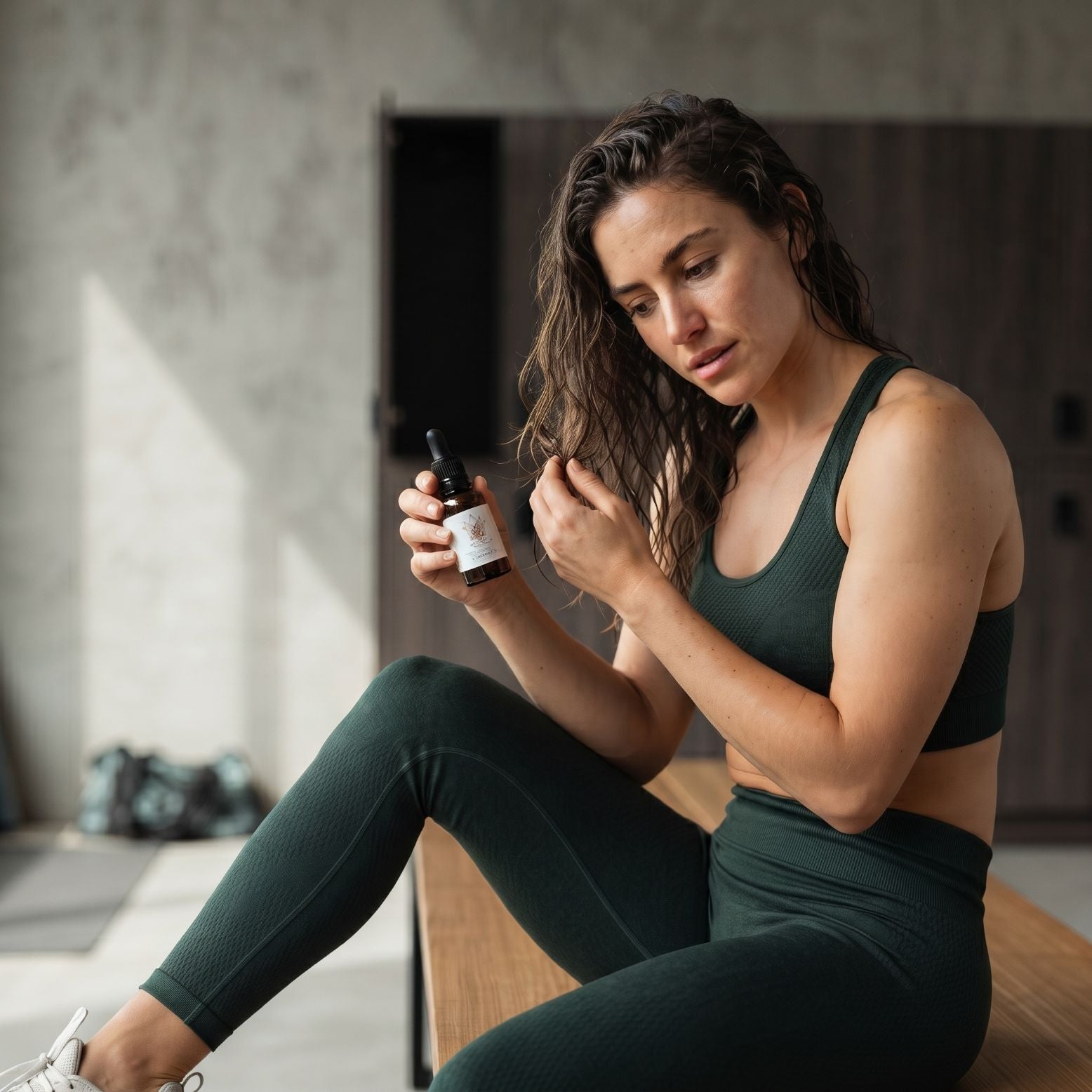
Beyond recovery, Arc Native's mental wellness collection offers aromatherapy blends designed to support focus, concentration, and energy, while the personal care collection brings together botanical bath bombs, nourishing skincare oils, and hair growth oil for a more complete approach to holistic self-care.
Sustainability sits at the core of how the brand operates, from ethical sourcing to responsible production practices. For anyone looking for premium, plant-based recovery and self-care products made with genuine care, this collection offers a range worth exploring for your next order
Conclusion
Choosing the right Muscle Recovery Balm UK athletes and everyday movers rely on comes down to understanding what's in the formula and how it fits your routine. From magnesium-rich blends to herbal extracts, the right product can make a real difference in how quickly you bounce back after physical effort.
For those who prefer a natural muscle recovery balm over synthetic alternatives, small-batch, ingredient-transparent brands tend to offer the most consistent results and the gentlest experience for sensitive skin. Paying attention to sourcing, potency, and application habits will always matter more than chasing the flashiest packaging. Recovery isn't a one-off event. It's a habit built through small, consistent choices, and the right balm can quietly become one of the most reliable parts of that routine.
FAQ’s
-
What is the best muscle recovery balm for post-workout soreness?
The best option depends on your skin type and preferences, but formulas with high-potency magnesium and natural botanical extracts tend to offer the most consistent relief for post-workout soreness.
-
How often should I use a muscle recovery balm?
Most people benefit from applying a balm once or twice daily, particularly after training sessions and before bed, though this can vary based on activity level.
-
Is a natural muscle recovery balm better than a synthetic one?
Natural formulas tend to be gentler on skin and involve fewer synthetic additives, making them a preferred choice for people with sensitivities or those seeking clean-label products.
-
Does magnesium in a balm actually get absorbed through the skin?
Transdermal magnesium absorption is supported by some research, and many users report noticeable relaxation and reduced muscle tension after consistent topical use.
-
Are muscle recovery balms suitable for joint pain as well as muscle soreness?
Yes, many balms are formulated to support both muscle and joint comfort, particularly around commonly affected areas like knees, shoulders, and lower back.
-
Can vegan and cruelty-free muscle recovery balms be just as effective?
Yes, effectiveness comes from the quality and concentration of active ingredients, not from animal-derived components, so vegan formulas can perform equally well.