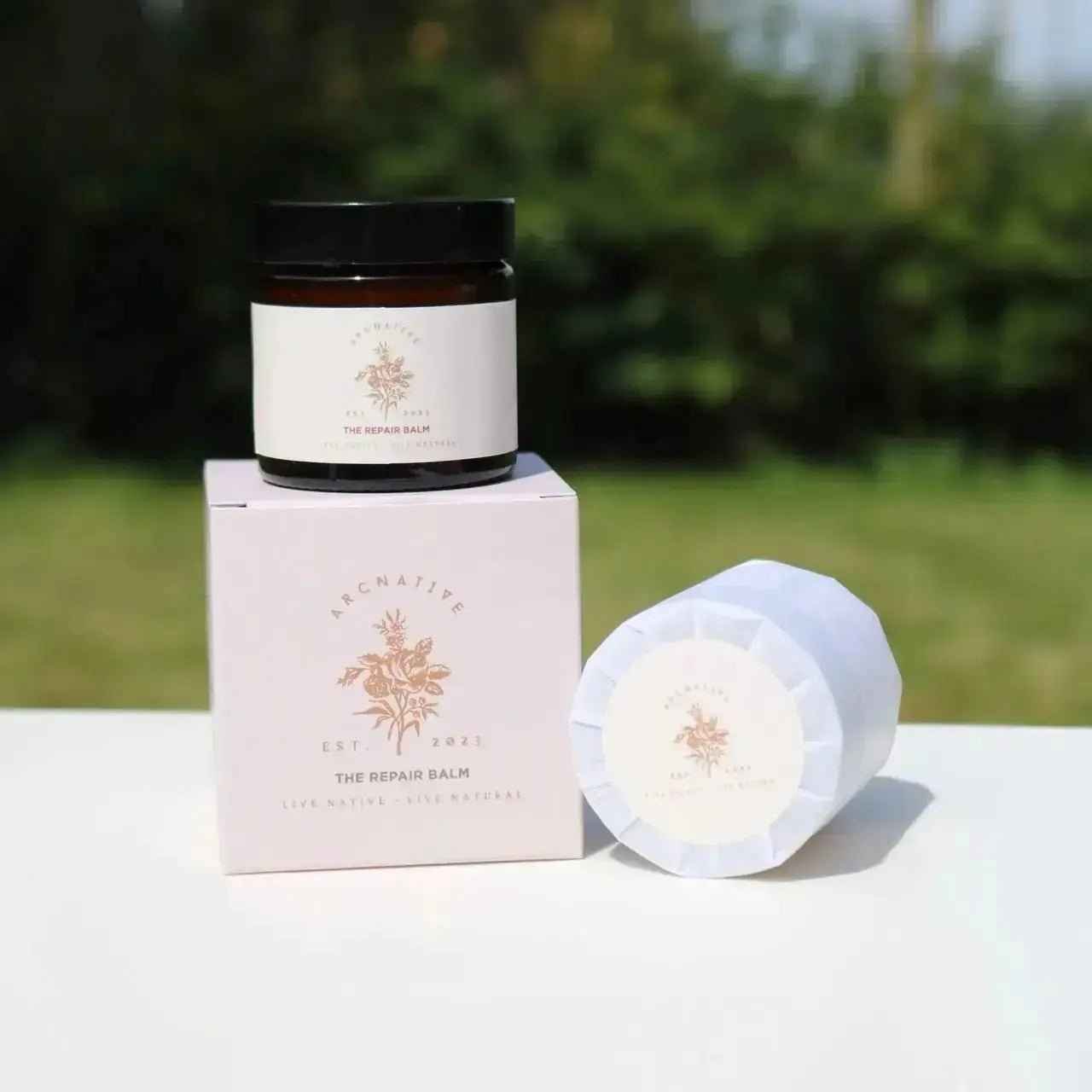
Are you struggling with persistent muscle soreness or tension and looking for an effective way to find relief? Muscle pain relief balms offer a convenient, topical solution that targets discomfort directly, helping you recover faster and feel better. This guide will walk you through the best muscle pain relief balms available in 2026, explain how they work, and provide expert advice on choosing the perfect formulation for your needs—whether you're an athlete, office worker, or someone experiencing chronic muscle tightness. <p><strong>Looking for effective muscle and joint relief? Try <a href="https://www.arcnative.co.uk/products/the-repair-balm">The Repair Balm by Arc Native</a> — designed to revive your muscles and joints.</strong></p>
Top Muscle Pain Relief Balms of 2026: Our Expert Recommendations
In 2026, several muscle pain relief balms stand out for their effective formulas and user satisfaction. Products combining natural ingredients with scientifically backed active components are particularly popular. For example, balms featuring menthol and camphor provide a cooling sensation and fast-acting pain relief while soothing sore muscles. Others integrate arnica and essential oils known for their anti-inflammatory qualities, promoting deep muscle relaxation.
For sensitive skin users, hypoallergenic formulations with aloe vera and chamomile are gaining traction. Some balms also incorporate CBD wellness products, which aid muscle recovery and reduce inflammation. Depending on your specific pain—whether muscle tension, cramps, or persistent soreness—there’s a balm designed to meet your needs. For a holistic approach combining pain relief with skin hydration and aromatherapy benefits, consider options like Expert Repair Balm for Muscle and Joint Pain Relief, which delivers intensive hydration alongside effective relief.
How Muscle Pain Relief Balms Work: The Science Behind the Soothing
Muscle pain relief balms typically work by harnessing topical analgesics that interact with sensory nerves on the skin to mask or lessen pain signals. Active ingredients like menthol and camphor act as counterirritants, creating a cooling or warming sensation that distracts the nervous system from deeper muscle pain. Lidocaine provides a numbing effect, while arnica supports reduced swelling and inflammation.
These balms target temporary relief by increasing blood flow and relaxing muscle tension, but it’s important to note they do not cure underlying issues. Their effects are fast-acting, soothing sore muscles and easing muscle cramps or tightness but should be combined with other pain management strategies for best results.
Key Active Ingredients to Look for in Muscle Pain Relief Creams
When selecting a muscle pain relief balm, understanding active ingredients ensures you pick the right formulation. Menthol is widely used for its cooling sensation and ability to reduce tightness and cramping. Camphor complements this with analgesic and anti-inflammatory properties. Lidocaine is a synthetic topical anesthetic ideal for localized numbing, while arnica, a natural anti-inflammatory botanical, soothes muscle soreness and swelling.
Capsaicin is effective in desensitizing pain receptors over time, providing longer-term relief, though it may cause skin warming or mild irritation initially. CBD-based balms combine anti-inflammatory and muscle-relaxing effects without the psychoactive impacts of THC. Combinations of these ingredients can enhance efficacy, for example, menthol paired with arnica offers both immediate sensation and longer soothing effects. Always consider any allergy risks and sensitivities when choosing your balm.
Comparing Different Formulations: Creams, Balms, Gels, Sprays & Roll-Ons
Muscle pain relief products come in several forms, each with unique benefits. Creams are smooth, easy to spread, and often hydrate the skin, suitable for larger muscle areas. Balms tend to have a waxy consistency providing a longer-lasting barrier that slowly absorbs, ideal for deep muscle relaxation. Gels usually absorb quickly and leave a non-greasy finish with a cooling sensation, perfect for on-the-go use.
Sprays offer mess-free, broad-area coverage and are convenient for hard-to-reach spots, while roll-ons provide precise application with minimal residue. Texture, absorption, and portability vary: creams hydrate but can be greasier, balms focus on sustained relief, gels feel light, sprays cool instantly, and roll-ons combine ease with targeted effect.
Choosing the best depends on lifestyle—if you need quick absorption, gels or sprays are preferable; for intensive recovery, balms or creams work well.
How to Use Muscle Pain Relief Balm Effectively for Best Results
To maximize relief, begin with clean, dry skin. Apply an appropriate amount of balm to the affected area and gently massage it in to stimulate circulation and enhance absorption. Frequency varies by product, but generally, applying 2-3 times daily helps maintain soothing effects without risking overuse.
Always use muscle pain relief balms for external use only. Avoid applying on broken or sensitive skin and keep balm away from eyes and mucous membranes. Wash hands thoroughly after each application to prevent accidental contact with sensitive areas. For enhanced results, combine balm use with massage relief techniques or heat/cold therapy based on your muscle pain’s nature.
Who Should Use Muscle Pain Relief Balms? Suitable Use Cases and User Profiles
Muscle pain relief balms are beneficial for athletes recovering from intense workouts, fitness enthusiasts managing overworked quads or tight hamstrings, and desk-bound workers experiencing muscle tension due to sedentary habits. Elderly individuals facing chronic soreness and mild muscle injuries also find them useful for temporary pain relief.
Balms can help soothe sore muscles, reduce cramps, and alleviate muscle tension after physical activity, making them an excellent addition to post-workout recovery routines. However, people with sensitive skins or known allergies should check ingredients carefully and consult healthcare providers if using alongside prescription pain relievers.
Natural vs. Synthetic Ingredients: What’s Best in Muscle Pain Relief Creams?
Natural ingredients like arnica, essential oils, turmeric, and plant-derived extracts offer holistic benefits including anti-inflammatory effects and calming aroma therapy. These tend to cause fewer side effects and nurture the skin while providing soothing results.
Synthetic compounds such as lidocaine and menthol-based topical analgesics provide rapid, targeted pain relief often unmatched by natural options. However, synthetic ingredients may pose higher allergy risks or cause skin irritation in sensitive individuals.
The choice between natural and synthetic depends on your pain intensity and skin sensitivity. Many products now wisely combine both for balanced therapeutic effects.
Top Muscle Pain Relief Balms for Sensitive Skin and Allergy Concerns
For those with sensitive skins or allergy concerns, selecting hypoallergenic balms with minimal irritants is crucial. Ingredients like aloe vera and chamomile are gentle and soothing, reducing risk of skin rash or swelling of the skin.
Always perform a patch test before full application to identify any allergic reaction. Symptoms include redness, itching, and discomfort. If these occur, discontinue use immediately and consult a healthcare professional to avoid worsening skin issues or breathing difficulties.
CBD Wellness Products in Muscle Pain Relief: Benefits and Considerations
CBD muscle pain relief balms are increasingly popular among athletes for their anti-inflammatory and muscle recovery support. CBD may help reduce lactic acid build-up and relax tense muscles without psychoactive effects due to minimal THC content.
Consumers should verify product quality and certification to ensure purity and safety, especially under UK regulations. CBD balms often feature a calming aroma and a light, non-greasy texture, absorbing quickly for soothing results. Be aware of legal considerations and consult a healthcare provider if using other medications.
How to Choose the Right Muscle Pain Relief Balm Based on Location and Type of Pain
Selecting a balm depends on the pain’s depth and location. Deep muscle aches benefit from balms with penetrating active ingredients that promote blood flow and muscle recovery. Surface-level soreness responds well to menthol-based formulations providing cooling sensations.
Consider the body area—joints may need gentler formulations compared to large muscle groups like thighs or shoulders. Assess whether your pain is acute, chronic or due to injury, which influences balm strength and frequency. When in doubt, consulting a healthcare provider ensures safe and effective use.
Multi-Use Benefits: Muscle Relief, Skin Hydration, and Muscle Recovery
Many muscle pain relief balms double as skin moisturizers, nourishing and hydrating during muscle treatment. Ingredients like shea butter, almond oil, and vitamin E not only soothe sore glutes and tight hamstrings but also promote a natural post-workout glow by preventing dryness.
Some balms actively reduce inflammation to support faster muscle recovery, while aromatic balm elements contribute to relaxation and stress relief—a holistic approach enhancing self-care routines.
Safety, FDA Regulations, and What to Watch Out For
Most muscle pain relief balms fall under topical remedies regulated for safety but are not always FDA-approved drugs. Users must strictly follow label instructions, respecting warnings to prevent side effects such as skin rash, swelling, or breathing difficulties.
Avoid using balms on broken skin or sensitive areas and be cautious about interactions with other medications. If adverse symptoms develop, seek medical assistance promptly to ensure safe use in your pain management routine.
Frequently Asked Questions About Muscle Pain Relief Balms
Are muscle pain relief balms effective for chronic pain?
Muscle pain relief balms can assist in managing chronic discomfort as a complementary remedy but are not primary treatments. They provide temporary relief by masking pain and reducing inflammation, often used alongside prescribed therapies for best results.
Can I use balms with oral pain relievers or prescription medications?
Generally, topical balms are safe with oral medications; however, you should consult your healthcare provider to avoid adverse interactions, especially if using lidocaine or other potent active ingredients.
How quickly do balms start working?
Most balms begin to provide relief within minutes due to active ingredients like menthol and camphor creating cooling or warming effects. Onset time can vary based on formulation and pain location.
Can balms cause allergic reactions or skin irritation?
Yes, some users may experience skin rash or irritation. Patch testing is advisable before full application. Stop use immediately if redness or swelling occurs, and consult a healthcare professional.
What’s the difference between balms and analgesic patches or sprays?
Balms are rubbed into the skin and provide localized, gradual relief with skin hydration benefits. Patches offer prolonged delivery but less flexibility, and sprays provide quick, easy application but may lack deep muscle penetration. Your choice depends on convenience, area of application, and pain severity.
Summary: Choosing and Using the Best Muscle Pain Relief Balm for You
Selecting the ideal muscle pain relief balm involves balancing ingredient effectiveness, product formulation, and your skin’s sensitivity. Whether you prefer natural botanicals or synthetic analgesics, understanding your pain type and desired application method is key. Approach your choice thoughtfully and combine balm usage with massage or other recovery practices to enhance results. Empower yourself with knowledge to make informed decisions and restore your muscle comfort safely and effectively.