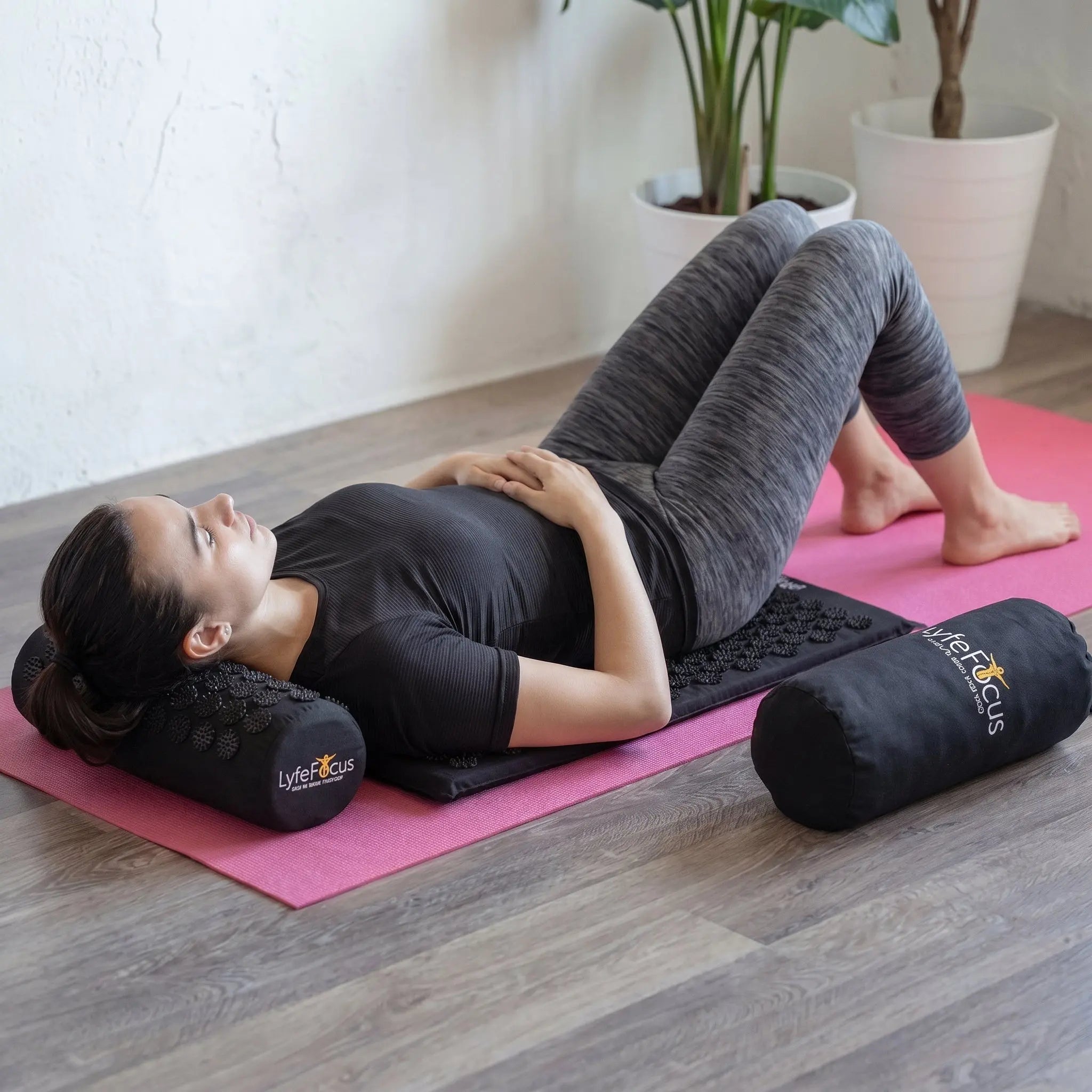
An acupressure mat looks simple enough: a padded surface covered in small pressure points, sometimes paired with a matching pillow for the neck. Yet the experience can be surprisingly noticeable, especially for people dealing with muscle after long desk hours, workouts, or a restless week. This guide breaks down what the mat actually does, how it compares with a pillow, what first-time users tend to feel, and where the limits are. The aim is practical, not promotional, so it’s easier to judge whether the routine fits your own recovery or relaxation needs.
What an Acupressure Mats Does for Muscle Tension
An acupressure mats uses rows of small spikes to press into the skin and underlying tissues, creating a strong sensory signal across the back, shoulders, feet, or neck. The basic idea is pressure-point stimulation: those acupressure points can feel intense at first, then settle into a warm, loosening sensation. For many people, that distraction from soreness is part of the appeal. It may help the body relax, but it should be seen as a comfort tool rather than a medical cure for muscle tensions or ongoing pain.
Do Acupressure Mats Really Help?
Most users report a pattern rather than a miracle. The first few minutes can feel sharp, then the body tends to soften, breathing slows, and the session becomes more tolerable. That shift is why acupressure mats often feel more effective for stress-related tightness than for deep injury pain. Evidence remains limited, so the best proof is usually anecdotal. Still, people commonly mention looser muscles, calmer evenings, and less stiffness in the neck and shoulder after regular use.
How Acupressure Mats May Support Pain Relief and Blood Flow
Firm pressure can temporarily increase local circulation, which is one reason the skin may feel warm or flushed after a session. That extra blood flow may help tired muscles feel less rigid for a short period, especially after sitting, lifting, or commuting. The effect is usually mild and temporary, but it can fit neatly into a recovery routine. For anyone hoping for relief blood flow from muscle aches, the mat is best treated as a supportive habit rather than a standalone fix.
How to Use an Acupressure Mats Safely
Start small: five minutes is enough for a first session, and longer sessions can be built up gradually as the body adapts. Lying flat works well for the back, while placing the mat under the feet can be useful after a day on hard flooring. For the shoulders, an acupressure mats & pillow usually gives more precise support than the full mat. Beginners often prefer bare skin for stronger sensation, though a thin T-shirt can make the points gentler. Slow breathing helps a lot. Stop if pain, dizziness, or bruising appears.
Best Time to Use It Before Sleep Stress Relief
Evening use works well for people who want to unwind before bed rather than feel stimulated. A short session before sleeps can become part of a calmer routine, especially after screen time or a stressful commute. The gentle fatigue that follows often feels more like relaxation than exercise. If the goal is rest, keep the session brief and quiet. Longer sessions can be energising for some users, which is less helpful when winding down is the priority.
Best Positions for Neck and Shoulder
For upper-back relief, position the mat so the spikes sit between the shoulder blades and across the top of the back, then let the shoulders drop naturally. A pillow under the neck can make the angle more comfortable and prevent the head from tipping too far back. Desk workers often benefit from a rolled towel under the knees or a slight bend in the legs to reduce strain. Small adjustments matter, especially after long periods of typing, driving, or scrolling on a phone.
Acupressure Mats vs Pillow: Which Should You Choose?
The mat gives broader coverage, which makes it better for full-back sessions and general muscle relief. The pillow is more focused, so it suits the neck, base of the skull, and tighter areas that need pinpoint pressure. Beginners often start with the mat because it feels easier to place and balance, while travellers may prefer the pillow because it is compact. For people with persistent neck pain or a tense upper back, combining both tends to create the most complete routine, especially with a set like pillow-black">a matching acupressure mats and pillow.
| Option | Best for | Main trade-off |
|---|---|---|
| Acupressure mats | Full-back, feet, recovery routines | Less precise for the neck |
| Acupressure pillow | Neck and shoulder, travel, focused relief | Smaller coverage area |
What to Expect During Your First Sessions
The first few minutes usually bring a prickly spike sensation that can feel almost too sharp if the body is tense or unfamiliar with the mat. After that, the feeling often changes into tenderness, warmth, or a steady buzzing across the skin. Mild redness and tingling are common once you get up, and those signs usually fade fairly quickly. What should not be ignored is sharp pain, numbness, or bruising. Mild discomfort is part of the experience; a harsh reaction usually means the session was too long or too intense.
Who Should Avoid Acupressure Mats?
Acupressure mats are not for everyone. Pregnancy, bleeding disorders, fragile skin, and active skin conditions are common reasons to avoid them. People with chronic illness, heart issues, or very sensitive skin should get medical guidance first. Children should not use them unsupervised, and overnight use is not recommended because the pressure can become excessive. If there is any uncertainty about pain products or existing health concerns, caution is better than pushing through.
How to Choose the Right Acupressure Mats
Selection comes down to size, spike intensity, materials, and accessories. A larger mat covers more of the back, while a matching pillow adds focused relief for the neck and shoulders. Denser spikes can actually feel less aggressive than fewer, sharper points because the pressure spreads out more evenly. For regular use, a washable cover and supportive foam make the setup more practical. If comfort is the goal, not punishment, look for a design that balances firmness with enough give.
How Long and How Often to Use It
Short daily sessions are enough for most people, especially at the start. Five to fifteen minutes can help with energy and mild release, while slightly longer sessions are better suited to relaxation. The mat should not be treated like a place to lie for ages; staying on too long can irritate the skin and leave the body feeling overstimulated. A steady routine tends to work better than occasional extremes.
Common Mistakes to Avoid
One of the biggest mistakes is using the mat on an acute injury, such as a fresh sprain or a very tender strain. That can make pain feel worse rather than better. Thick clothing also dulls the pressure points and reduces the effect, so the session may feel underwhelming. Another common assumption is that one session should mimic deep-tissue work. It usually doesn’t. The value is more about consistent, manageable stimulation than dramatic instant relief.
Are Acupressure Mats Worth It for Muscle Tension?
For everyday muscle , an acupressure mat can be a useful tool if the goal is relaxation, temporary pain relief, and a better wind-down routine. It is not a cure, and it won’t replace treatment for serious pain, but many people like the way it creates a reset for tired backs, necks, and shoulders. The strongest fans are usually those who enjoy sensory intensity and are willing to use it regularly. For the right person, the mix of comfort, pressure, and routine makes it worth trying.